How to Get the Whole Family Moving
Modern life often keeps families tethered to screens, making it challenging to maintain an active lifestyle. With long working hours for parents and homework for children, finding the time and motivation for physical activity can feel like an uphill battle. However, encouraging your whole household to move more does not require a costly gym membership or a rigid schedule. By integrating movement into your daily routine, you can foster healthier habits while spending quality time together. The key is to shift the focus from strict exercise to enjoyable, shared activities that everyone looks forward to doing.
Incorporate activity into daily routines
One of the most effective ways to get everyone moving is to weave physical activity seamlessly into your existing daily schedule. Instead of viewing exercise as a separate chore, look for small opportunities to be active throughout the day. For example, you might choose to walk or cycle to school rather than driving, or park further away from the supermarket entrance. After dinner, a short stroll around the neighbourhood can aid digestion and provide a wonderful opportunity for family bonding. These incremental changes might seem insignificant on their own, but they accumulate rapidly over the week to significantly boost your family's overall activity levels.
Turn household chores into a game
Household chores are usually met with groans and complaints, yet they offer a fantastic opportunity to burn off excess energy. By reframing these tasks as fun challenges, you can motivate your children to participate while getting the house tidy. You could set a timer for fifteen minutes and challenge everyone to clear away as much clutter as possible before the alarm sounds. Putting on some upbeat music and having a dance while hoovering or dusting transforms a mundane responsibility into an entertaining physical activity. When children view these tasks as a playful competition rather than a tedious obligation, they are far more likely to engage enthusiastically.
Plan active weekend outings
Weekends provide the perfect canvas for longer, more adventurous activities that break the monotony of the working week. Rather than spending Saturday afternoon watching television, plan outings that naturally require physical exertion. A trip to a local nature reserve, a hike through a nearby forest, or a cycling adventure along a scenic trail can be immensely rewarding. Exploring new environments keeps the mind stimulated and distracts from the physical effort involved in walking or pedalling. You might also consider visiting a local swimming pool or an outdoor adventure park, ensuring the activities chosen cater to the different fitness levels and interests of your family members.
Lead by example and participate actively
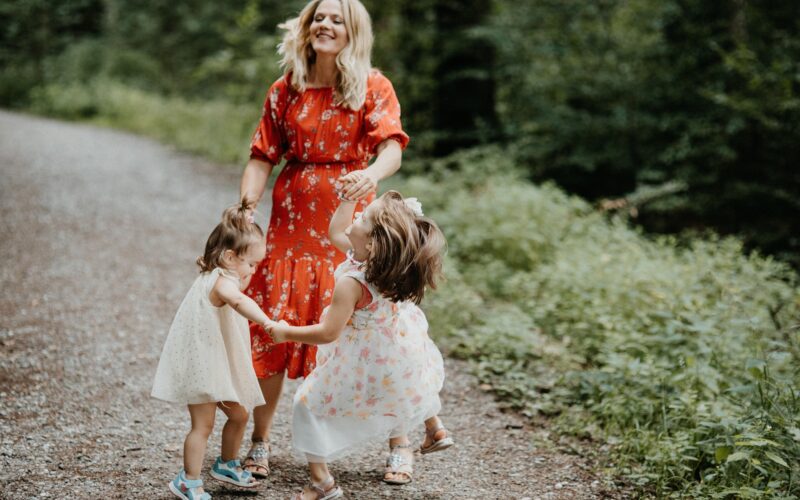
Children are highly observant and tend to mimic the behaviours of their parents and guardians. If they see you prioritising physical activity and enjoying it, they are much more likely to adopt a similar mindset. It is crucial that you do not just supervise from the sidelines but actively participate in the games and sports. Whether you are kicking a football in the garden, playing a game of tag, or trying out a new sport together, your involvement validates the activity. Showing enthusiasm and a willingness to try new things, even if you are not particularly skilled at them, creates a supportive environment where children feel comfortable being active.
Celebrate milestones and reward participation
Sustaining motivation requires positive reinforcement and a recognition of the effort everyone is making. Tracking your collective progress can be a highly motivating visual tool. You might place a chart on the fridge to record the days you managed a family walk or the weekends you tried a new outdoor activity. When you reach a milestone, celebrate the achievement together. The rewards should ideally align with your active lifestyle, such as purchasing new sports equipment or planning a special hiking trip. By focusing on the joy of movement and celebrating these shared successes, you will establish a lifelong appreciation for health within your household.